Transforming modern agriculture from the ground up with sustainable bio-stimulants

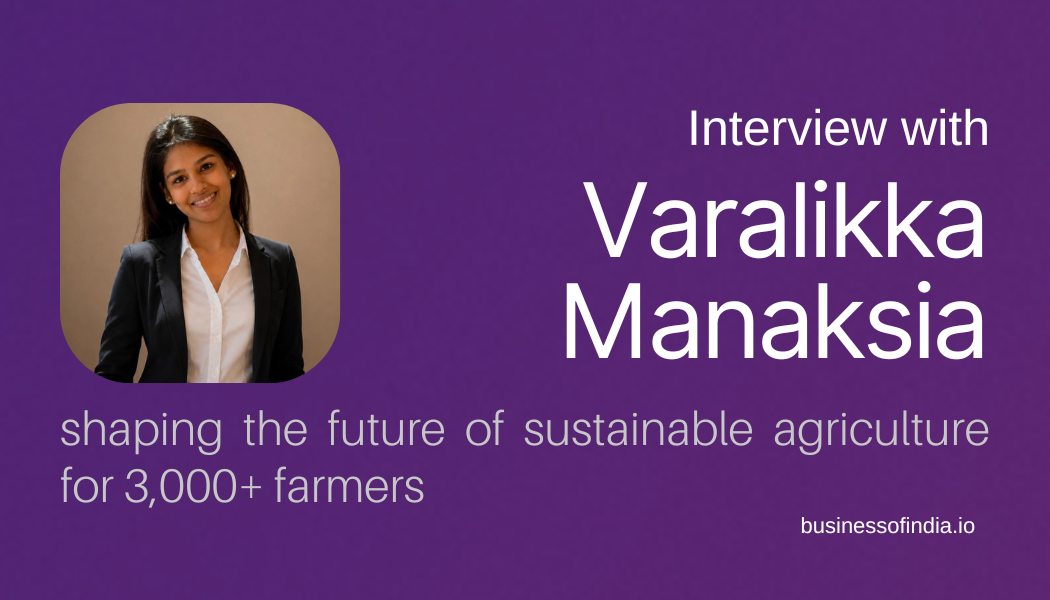
In November 2024, an 18-year-old Varalikka Manaksia looked around her home state of West Bengal and saw a glimmer of opportunity in a booming industry: the fishing sector.
With an annual output volume of 2 million metric tons and 800,000 hectares of inland water bodies stretching along a 158 km coastline, West Bengal's fishing industry not only supports the livelihood of 3.2 million Indians but also generates an often overlooked amount of organic waste.
For Varalikka, this was the lightbulb moment that became Manaksia Agritech, where that fish waste is transformed into eco-friendly bio-stimulants that drive soil regeneration for organic farmers.
BOIn: You're currently pursuing a BA in Political Science and Economics at St. Xavier's College in Kolkata, and simultaneously running Manaksia Agritech as Promoter and Director, conducting field trials, training farmers, and negotiating technology transfer agreements with government research institutions. Most people your age are trying to figure out where to begin. What made you decide to move this fast, and how do you hold the academic and the entrepreneurial together without one consuming the other?
VM: I began my undergraduate studies in Political Science and Economics at St. Xavier's College, Kolkata. As Manaksia Agritech started to grow and demand more of my time, I recently made the decision to transfer to the University of London's distance-learning BSc in Business and Management programme, taught under the academic direction of LSE. The flexibility of the programme allows me to continue my education while building a business.
The idea for Manaksia Agritech came to me in November 2024 when I was 18. I've always wanted to create a meaningful impact, and I saw sustainable agriculture as one of the most powerful ways to do that. What started as an idea quickly became a mission to help farmers adopt organic solutions while promoting soil regeneration and more conscious food production.
For me, education and entrepreneurship go hand in hand. My studies help me think critically and strategically, while working directly with farmers and building a company gives me practical experience that no classroom can fully replicate. Each strengthens the other, and together they have shaped my journey so far.
BOIn: Before agritech, your formative professional experiences were in mental health. You hosted a podcast on happiness and spent over two years as a psychology intern at Metanoia Therapy, organising suicide prevention seminars, managing mental health awareness campaigns, and supporting clinical case studies. That's a different world from soil science and bio-stimulants.
What did that work teach you about people, rural communities, and the relationship between health and the environment that actually informs how you think about farming today?
VM: Although mental health and agriculture may seem like very different fields, both are ultimately about people and well-being. My work in mental health taught me the importance of listening, understanding people's challenges, and recognising that lasting change only happens when people feel supported and empowered.
Through that experience, I also came to appreciate how closely human health is connected to our environment. The quality of the food we eat begins with the health of our soil, and the well-being of farming communities is deeply tied to the sustainability of the land they depend on. It also helped me better understand the realities many farmers face today. Agriculture is an incredibly demanding profession, with farmers constantly navigating unpredictable weather, rising input costs, fluctuating market prices, and financial pressure. When someone's livelihood depends on a single harvest, it's natural to prioritise solutions that deliver immediate results, even if they may not be the most sustainable option in the long run.
From a psychological perspective, people often make decisions based on short-term certainty rather than long-term benefits, especially when resources are limited. This is one of the reasons why many farmers are drawn to either very cheap products or products that promise quick results, despite the potential impact on soil health and fertility over time. Understanding that mindset has been vital because it reminds me that meaningful change isn't just about offering a better product. It is about building trust, educating farmers, and showing them that sustainable practices can also make economic sense.
This perspective continues to shape how I approach Manaksia Agritech. Beyond products and technology, our focus is on supporting farmers, strengthening rural communities, and contributing to a healthier and more sustainable future.
BOIn: At Manaksia Agritech, you are transforming fish waste, which is typically discarded as a byproduct of the seafood industry, into nutrient-rich bio-solutions that rebuild soil health. You've formalised that through an MoA with ICAR-CIFT, a Government of India research institution. How did you get from the idea to that collaboration, and what has working with a government research body actually looked like for a young private company still finding its feet?
VM: We began with a simple idea: could fish waste, which is often discarded by the seafood industry, be transformed into something valuable for agriculture? Being based in West Bengal, where fish processing generates significant waste, we saw an opportunity to convert a problem into a renewable solution.
While researching, we came across ICAR-CIFT and realised their expertise could help us turn the concept into a scientifically backed product. That led to our collaboration and the development of our organic bio-stimulant. Since then, we've also expanded into soil health solutions, including a bio-enriched organic manure made from vermicompost, microbial consortia, and seaweed extract.
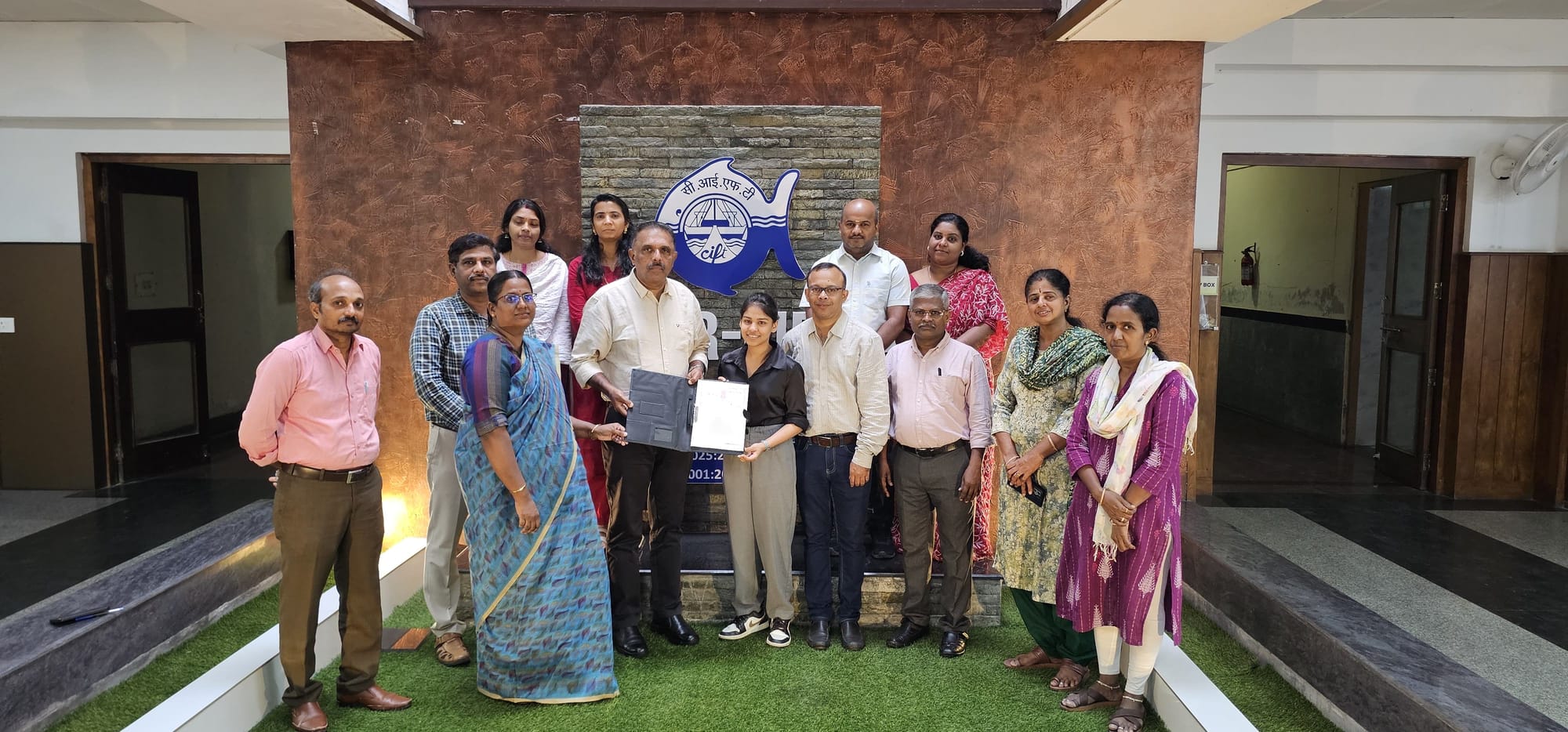
As a young company, working with a government research institution was a learning experience. There were challenges, particularly coordinating across states and slow communications, but the scientists at ICAR-CIFT were incredibly knowledgeable and supportive. The partnership showed us how powerful it can be when research and entrepreneurship come together to solve real-world problems, and we are proud that the products developed through that collaboration have been so well received by farmers.
BOIn: You've also spent significant time working with tea estates, actually walking through plantations, talking to estate managers about the cycle of rising input costs and declining soil vitality, and introducing microbial inputs as a long-term alternative to heavy fertilizer dependence. What has that work taught you about the specific challenges facing Indian plantation agriculture that are different from small-holder farming? Why do you think the tea industry in particular is at an inflection point right now?
VM: Working with tea estates has shown me that their challenges are quite different from those of small-holder farmers. Estate managers are not just thinking about the next harvest, but they are responsible for maintaining the productivity of thousands of acres over decades while managing rising input costs, labour, quality standards, regular infestations, and long-term soil health.
One thing I've heard repeatedly during estate visits is that every year it seems to take more inputs to achieve the same results. At the same time, most conversations naturally revolve around immediate concerns such as pests and insects, because those issues have a direct impact on the crop. That can make discussions around soil regeneration and biological inputs more difficult, since their benefits are often seen over the long term rather than overnight.
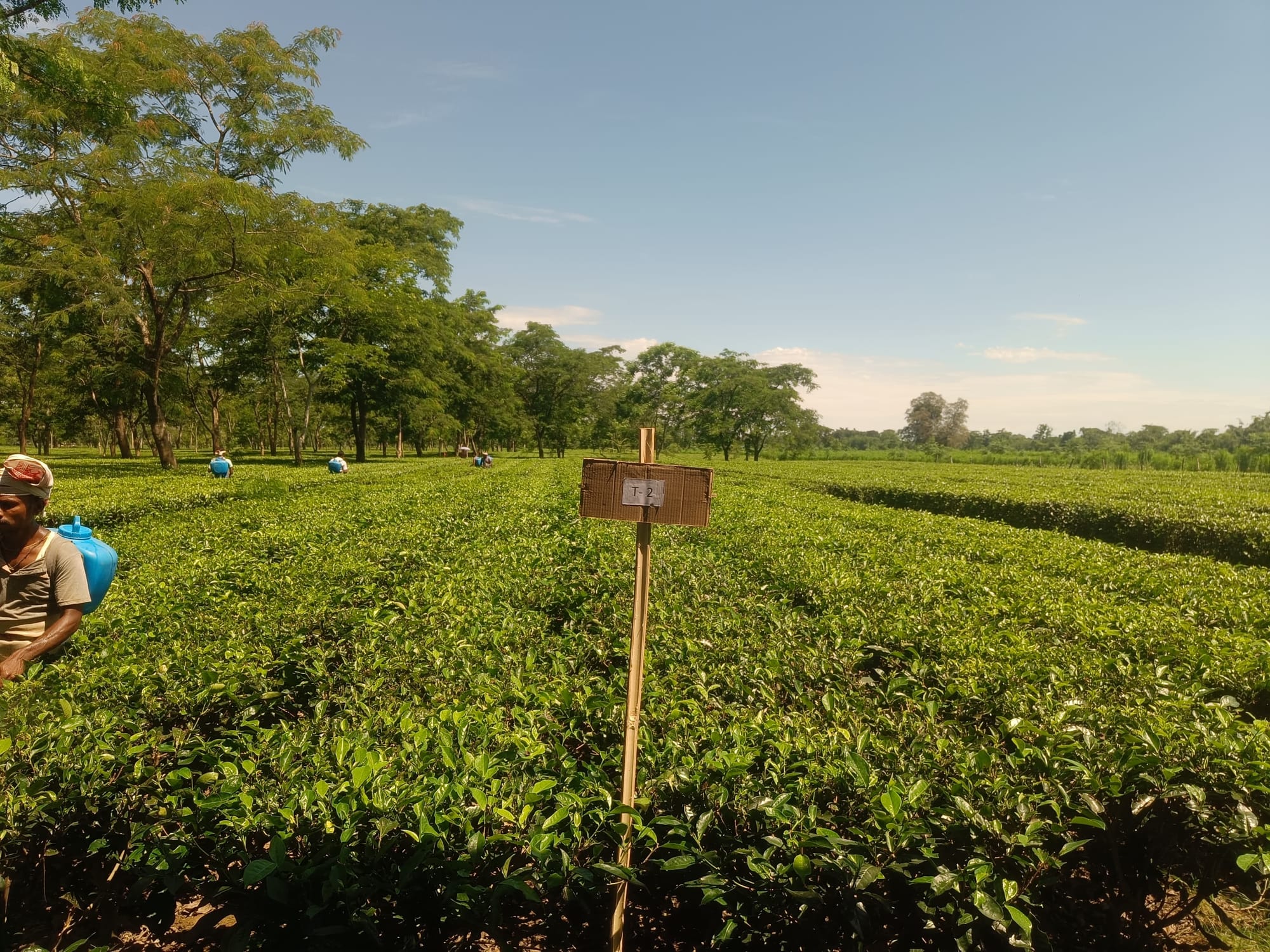
What encourages me is that this mindset is beginning to shift. More estate managers are asking not just how to protect their crop today, but how to maintain productivity and quality 5 or 10 years from now. Recently, I spoke with an estate manager who was trying to make his entire estate organic by rendering the soil patch by patch and focusing more on a quality product than a quantity one. This is why I believe the tea industry is at an inflection point. There is a growing recognition that healthy soil is not just an environmental goal but fundamental to the long-term economics and sustainability of the estate itself.
BOIn: Your company's tagline is "Annam Amṛtam", translating to "food is divine nectar", which frames the entire business not just as agritech but as something rooted in a philosophy about the relationship between soil, food, and human wellbeing. How do you hold the scientific and the philosophical together? Do you think that framing actually reaches farmers, or is it more about how you personally understand the work?
VM: ‘Annam Amṛtam’ is a reflection of how I personally understand the work we do. I have always been deeply rooted in philosophy and spirituality, and the phrase reminds us that food is not just a commodity; it sustains life, communities, and cultures. In that sense, food is sacred, and everything we do at Manaksia Agritech begins with that belief.
At the same time, philosophy alone isn't enough. Science is what allows us to turn that belief into practical solutions. Our products have to be effective, evidence-based, and genuinely beneficial for farmers and soil health. For me, philosophy provides the purpose, while science provides the method.
When speaking with farmers, the Sanskrit phrase itself isn't always familiar, but the idea behind it resonates strongly. Farmers understand better than anyone that healthy soil leads to healthy crops, and healthy crops lead to better food. Ultimately, the tagline is both a personal reminder of why we do this work and a reflection of the values we hope to bring back into agriculture.
BOIn: India is the world's second-largest agricultural economy, and soil degradation from decades of chemical-intensive farming is one of its most serious and least-discussed challenges. The government has made commitments to natural farming and the reduction of chemical inputs, but the gap between policy intention and farm-level reality remains wide. From where you sit, doing the actual leg work of field trials, training farmers and collaborating with research institutions, what is the most stubborn barrier between where Indian agriculture is and where it needs to go?
VM: From my experience, the biggest challenge is not a lack of awareness or intent—it's making the transition practical and accessible for farmers. Most farmers are managing real economic pressures, so any new approach has to demonstrate both agronomic and financial value.
I think there is also a tremendous opportunity to further streamline the ecosystem around sustainable agriculture. As the biological and bio-stimulant sectors continue to grow in India, clearer frameworks and greater standardisation can help build confidence among farmers and encourage wider adoption of high-quality products. Similarly, making it easier for innovative organic and biological solutions to navigate the necessary approval and licensing processes can help bring new technologies to the field more efficiently.
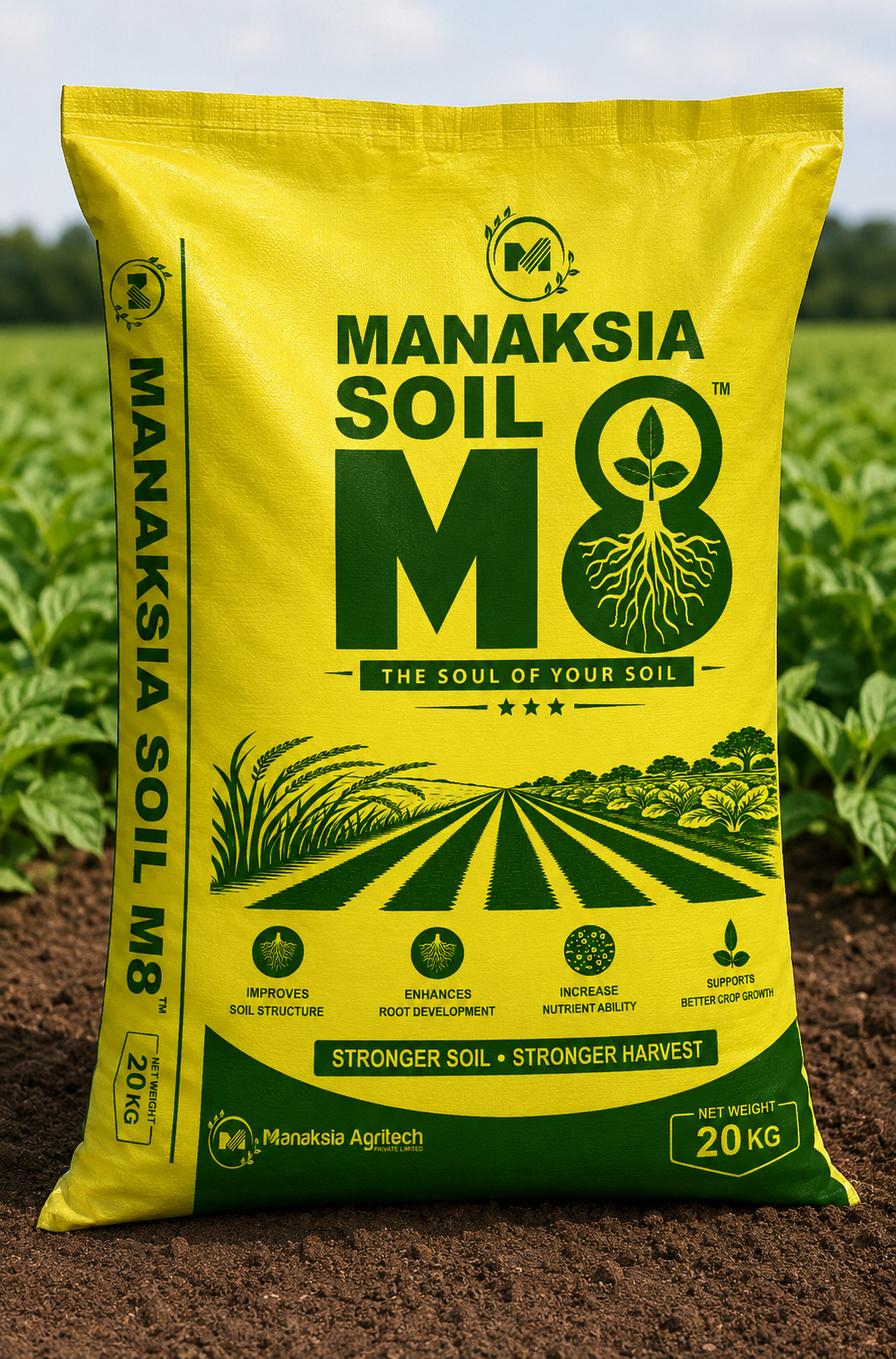
What gives me optimism is that the conversation is already changing.
Farmers, researchers, industry, and policymakers are increasingly aligned on the importance of soil quality, resilience, and organics. The next step is continuing to bridge the gap between innovation and implementation so that sustainable practices become not just environmentally beneficial, but also economically viable for farmers at scale.
BOIn: You've said the next chapter of India's growth will not be written by urban development alone, that a stronger rural India means a stronger India. Personally, you're building a company in Kolkata, working with farmers and estate managers, and have signed a formal research collaboration with a central government institution, all before completing your undergraduate degree.
What does the future of Indian agriculture look like to you, and what do you think the generation of entrepreneurs now entering this space needs to understand that the previous generation of agritech founders, many of whom came from urban tech backgrounds, may have missed?
VM: I believe the future of Indian agriculture will be built around sustainability, soil health, and farmer profitability. For a long time, the focus was on increasing production. Today, the challenge is producing enough food while also protecting the health of our soil and ensuring farming remains economically viable for future generations.
What gives me hope is that agriculture is beginning to attract a new generation of entrepreneurs, researchers, and innovators. But I also think this sector demands a certain humility.
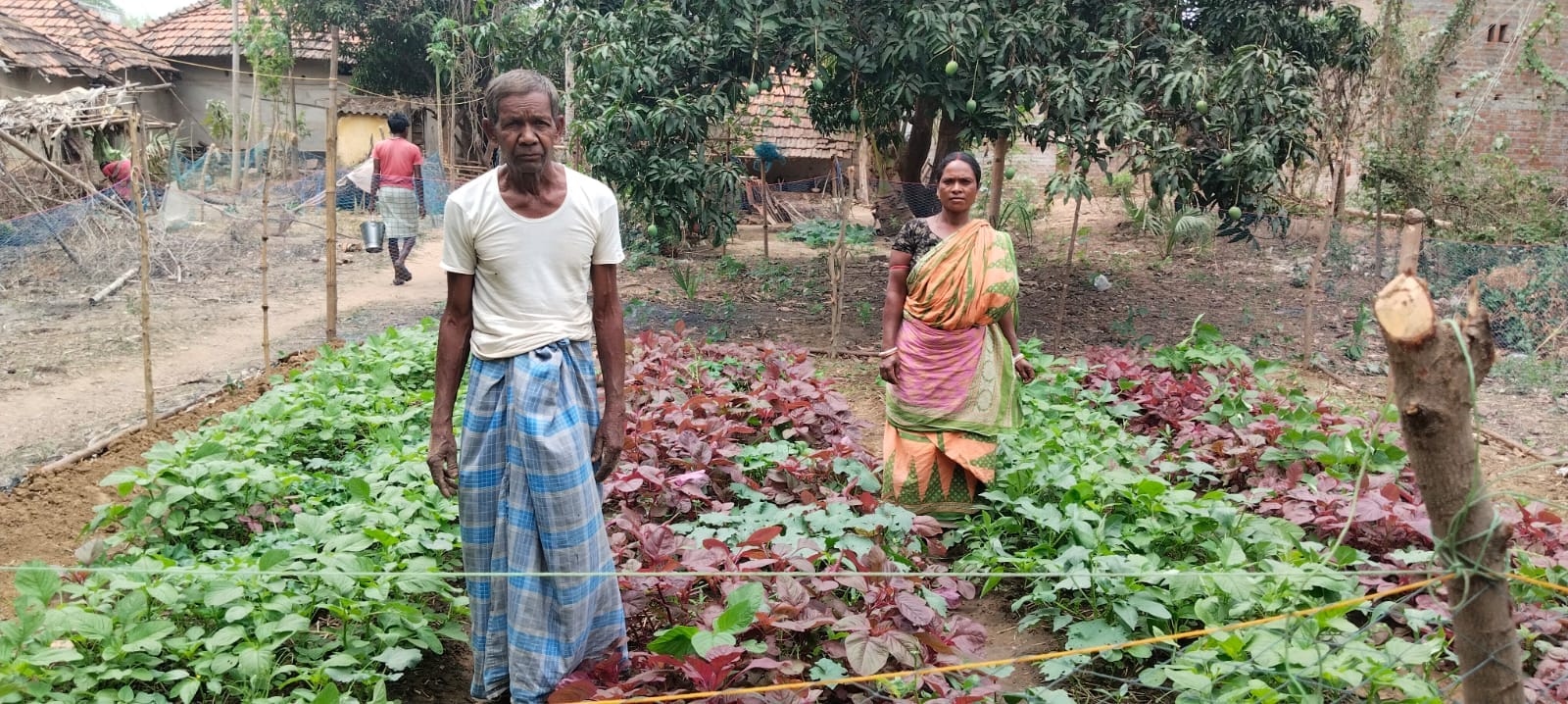
Agriculture is not a problem that can be solved entirely from an office, a laboratory, or a spreadsheet. It is ultimately a human enterprise. Behind every acre of land is a farmer making difficult decisions under conditions that are often uncertain and unpredictable. Some of the most valuable lessons that I have learned have not come from research papers or a boardroom but rather from conversations in farm fields, tea estates, and rural communities. They came from listening.
One thing I think the next generation of agritech entrepreneurs needs to understand is that agriculture is ultimately a people-first industry.
Technology and innovation are important, but they only create impact when they solve problems for farmers. As a young founder, I have come to appreciate that meaningful change in agriculture requires patience. Farmers are not looking for the newest trend; they are looking for solutions they can rely on. The entrepreneurs who succeed in this space will be the ones who combine innovation with empathy, science with practicality, and long-term sustainability with real economic value.
So yes, for me, a stronger rural India means a stronger India, especially since we come from an agrarian nation. If we can help farmers improve productivity, restore soil health, and build more resilient agricultural systems, the impact extends far beyond agriculture—it strengthens communities, livelihoods, and the country's development as a whole.
That is the future I hope to contribute to.
Connect with Varalikka on LinkedIn and check out Manaksia Agritech!